Yesterday I visited a little piece of Fairtrade history: while visiting my parents in Leiden, we visited the Wereld Winkel, literally "world shop". Wereld Winkel was the world's first ever Fairtrade shop, founded in the Netherlands in 1969 and now has 250 branches across the country. The focus was upon fairly traded handicrafts that give people the chance to use traditional skills to create products for the Western market. However, this was relatively limited in its impact at first, since a lot of learning was required on both sides to predict what people wanted to buy (with variable strands in fashion) and to achieve the quality that consumers desired in return for the slightly higher price.
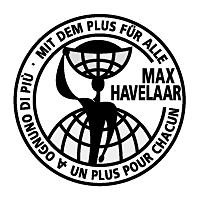 |
| Max Havelaar, the first Fairtrade mark |
One major change in buying habits over the last 45 years was the move towards Fairtrade food as well as crafts: firstly long-life products like tea, coffee and chocolate and then more recently perishable items like bananas. Initially, fairly traded tea and coffee were only available in ethical shops like the Wereld Winkel or via stalls like the one I set up at my church aged 17, because there was otherwise no way for consumers to tell whether food sold in supermarkets or elsewhere was fairly traded.


